
Indian Politics
Jantar Mantar on Fire: India’s Youth Refuse to Die Quietly While the Education System Rots
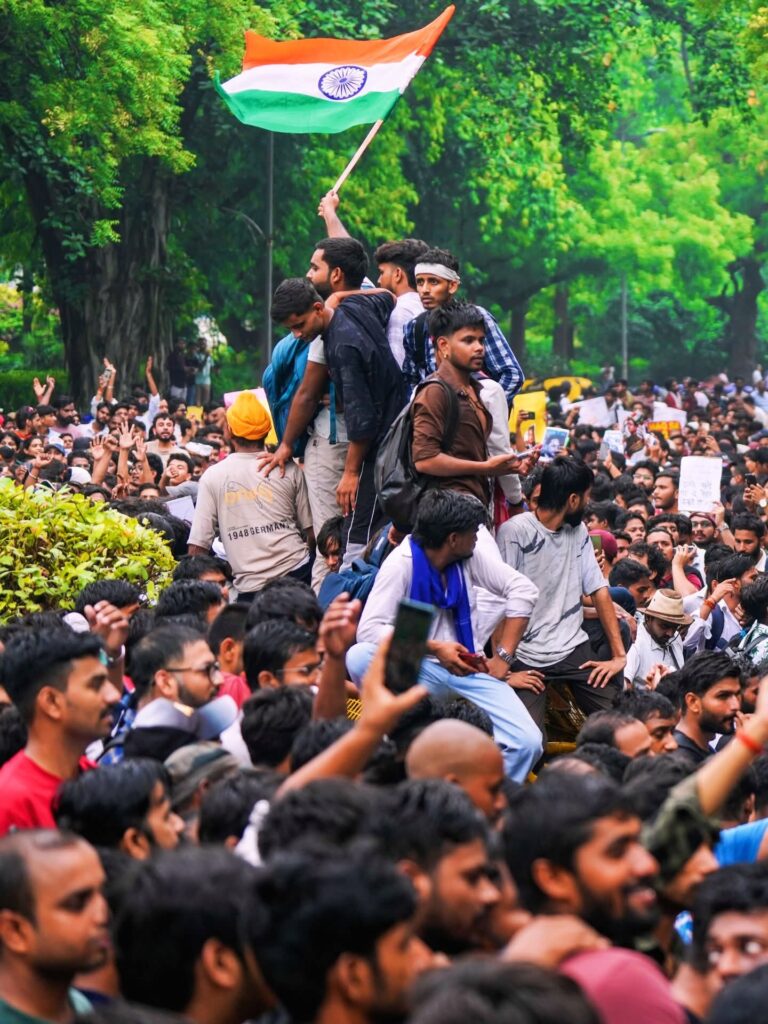
On July 20, 2026, Delhi’s Jantar Mantar did not host another polite candlelight vigil. It hosted a generation that has finally stopped apologising for existing.
Thousands of students, young professionals, and activists under the banner of the Cockroach Janta Party (CJP) tried to march toward Parliament under the call of “Sansad Chalo.” Their demands were not complicated: the resignation of Union Education Minister Dharmendra Pradhan over repeated examination paper leaks (especially NEET), compensation for families of students driven to suicide by a broken system, and the release of activist Sonam Wangchuk from what he calls “illegal detention” at Safdarjung Hospital.
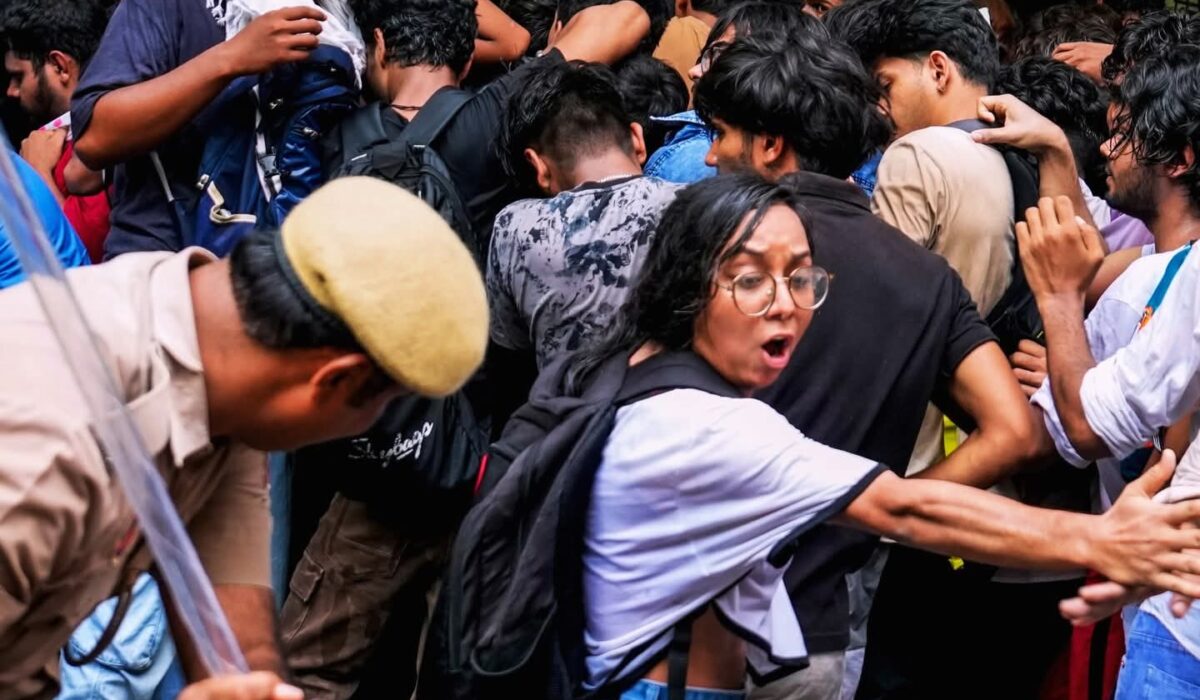
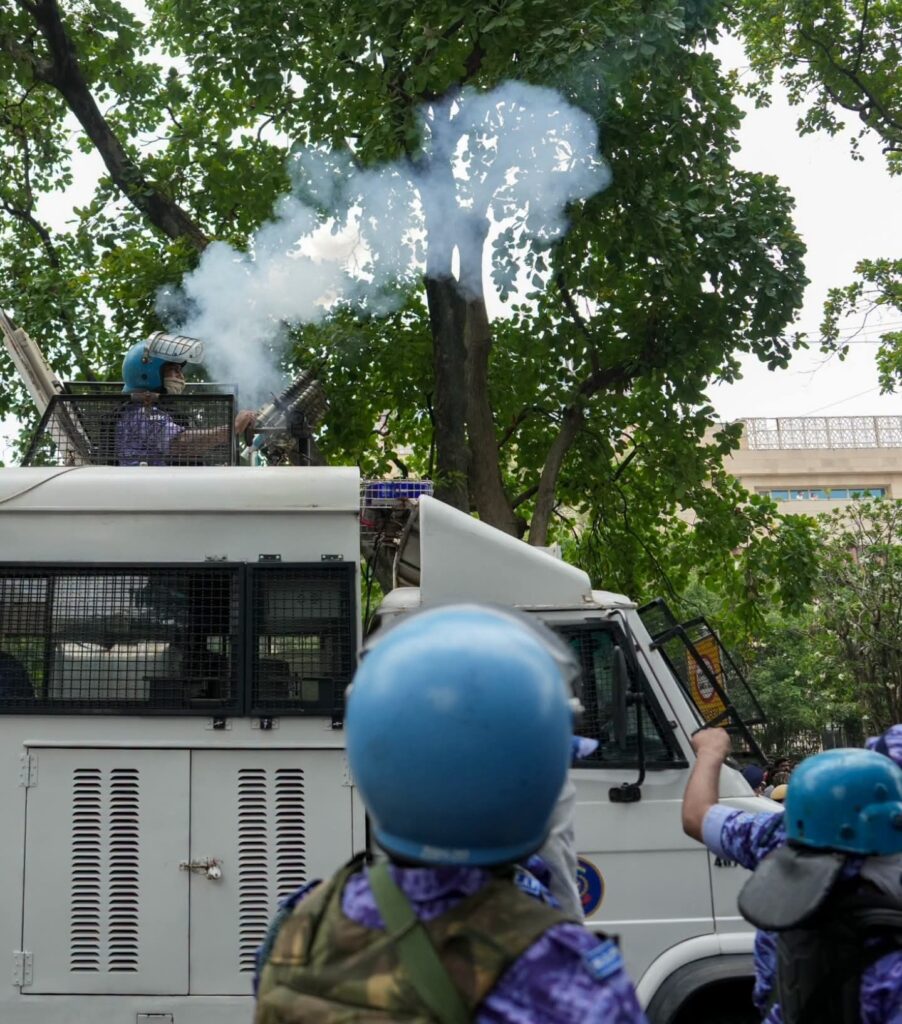
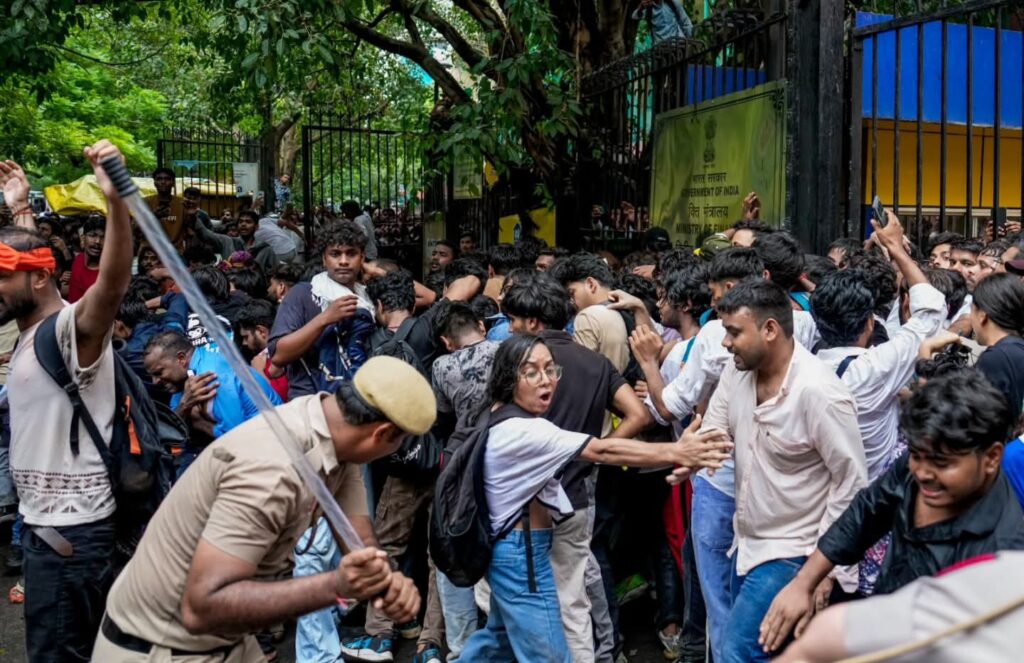
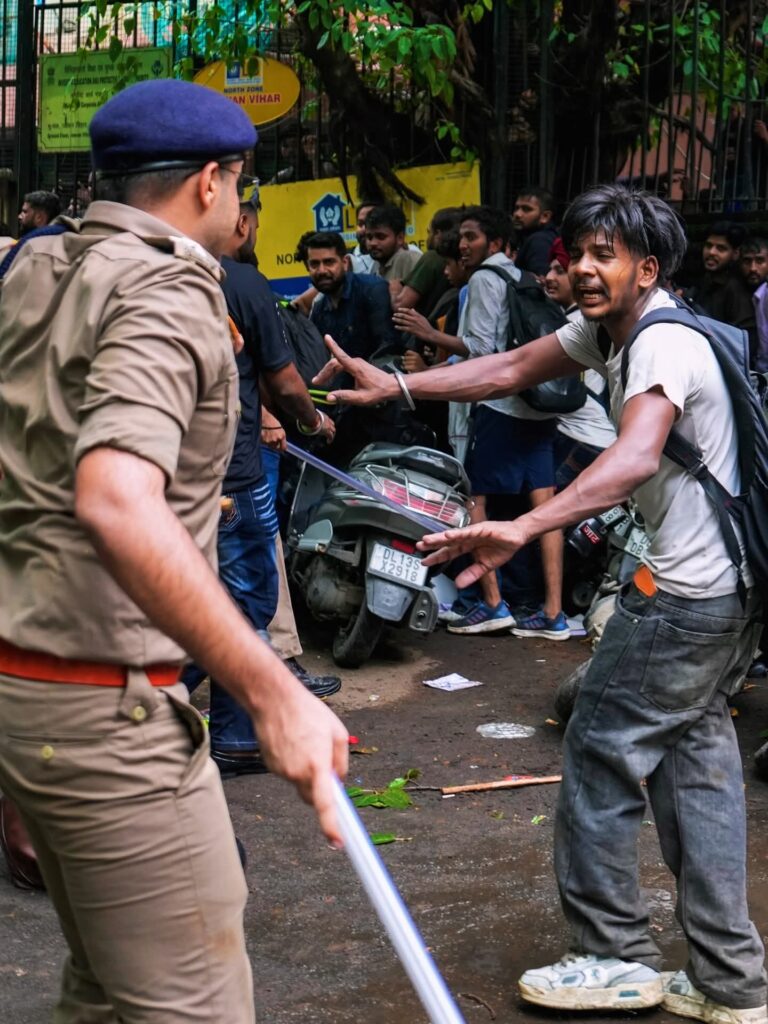
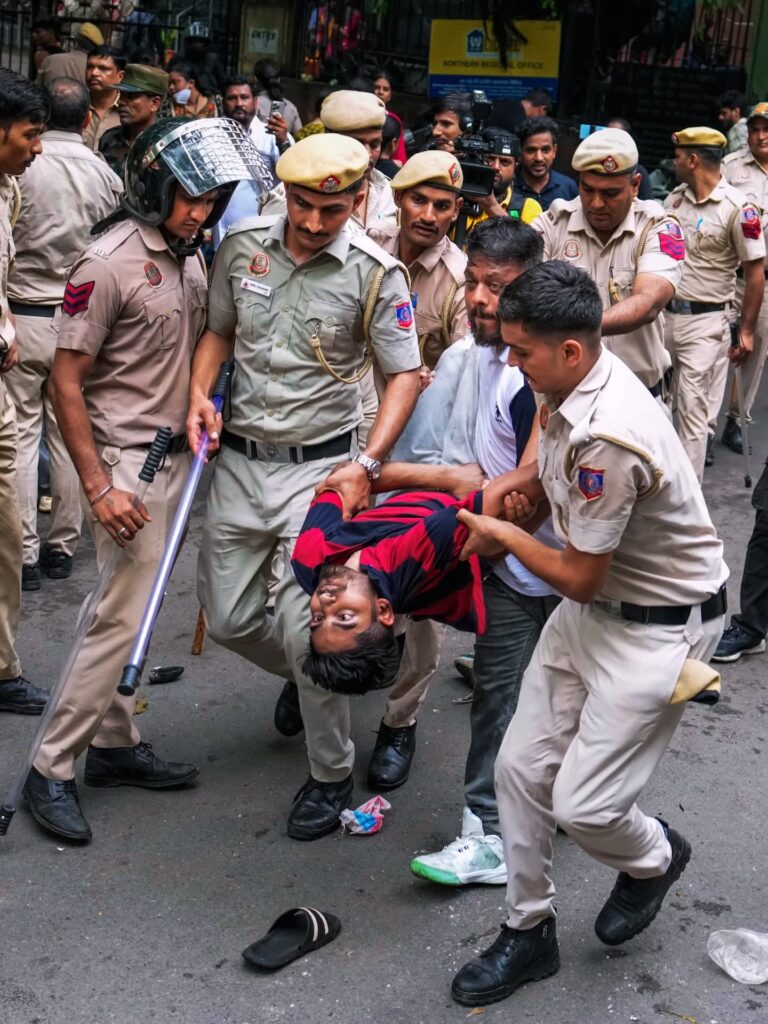
What they received instead was the standard Delhi Police package: heavy barricades, prohibitory orders, internet shutdowns in central Delhi, closed metro stations, tear gas, and lathi charges. Protesters who broke through or tried to advance toward Parliament Street and Raisina Road were met with batons. Some were detained. The protest stage at Jantar Mantar was later dismantled. Wangchuk, still on hunger strike after more than three weeks, announced from hospital that he will continue until youth leaders are allowed to meet parliamentarians or the government accepts basic accountability.
This is not a story about one protest. It is a story about a system that has normalised paper leaks affecting crores of students, then treats the resulting anger as a law-and-order problem rather than a governance failure.
For years, India’s competitive examination system has functioned like a high-stakes casino where the house is frequently caught cheating. Leaks are no longer rare scandals; they are recurring features. Students who spend years preparing, families who mortgage futures, and young people who take their own lives when the system collapses under them are treated as collateral damage. When those same young people finally occupy the streets and demand the political head responsible, the response is force, not reform.




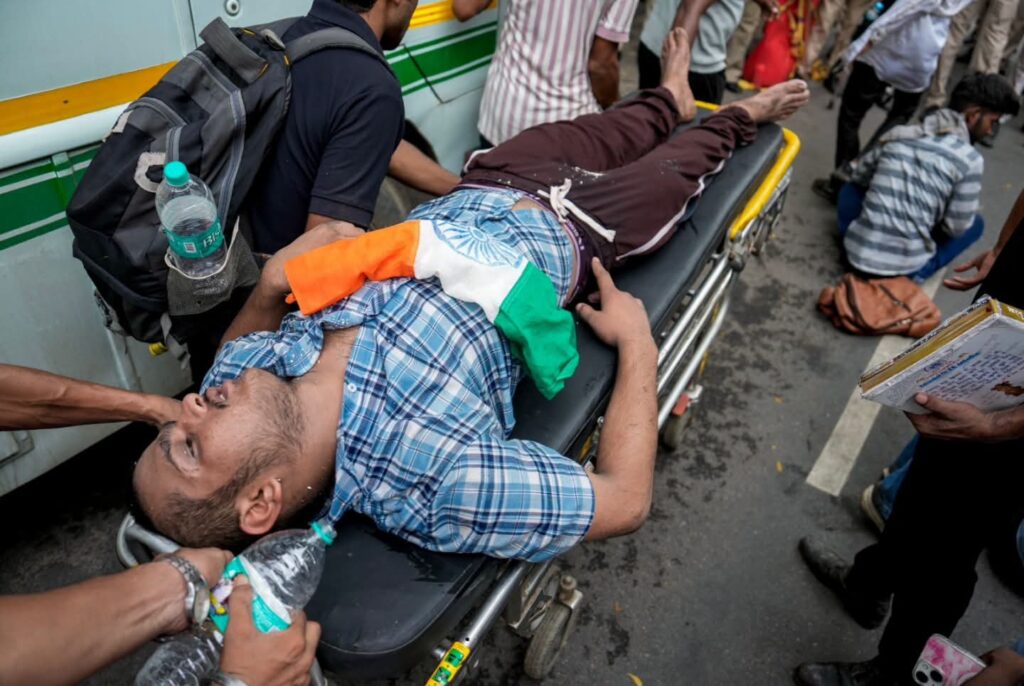

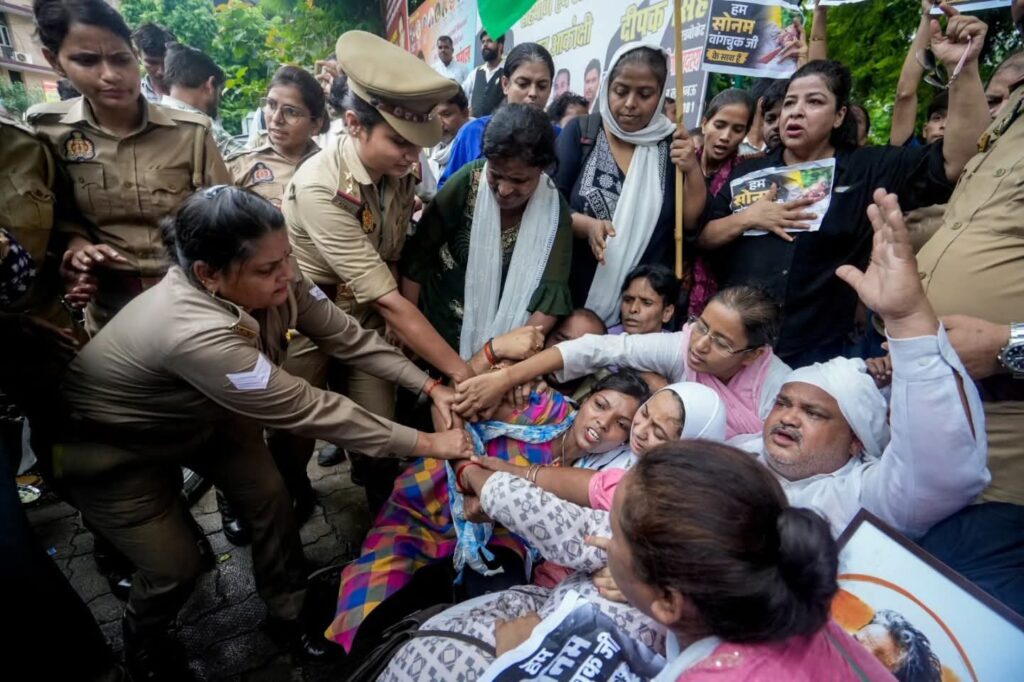

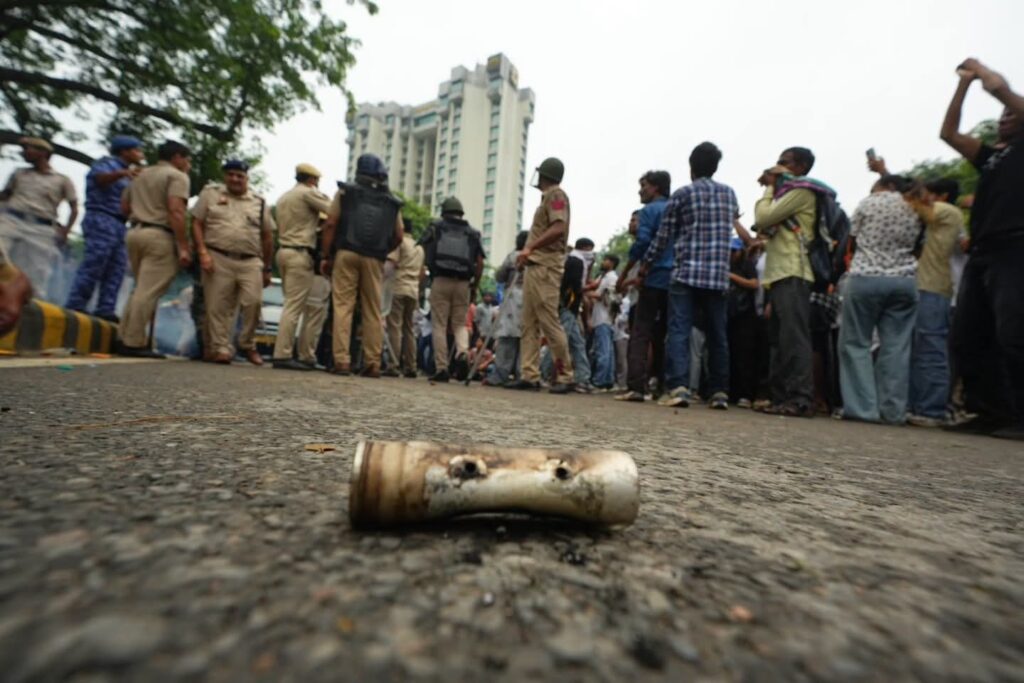


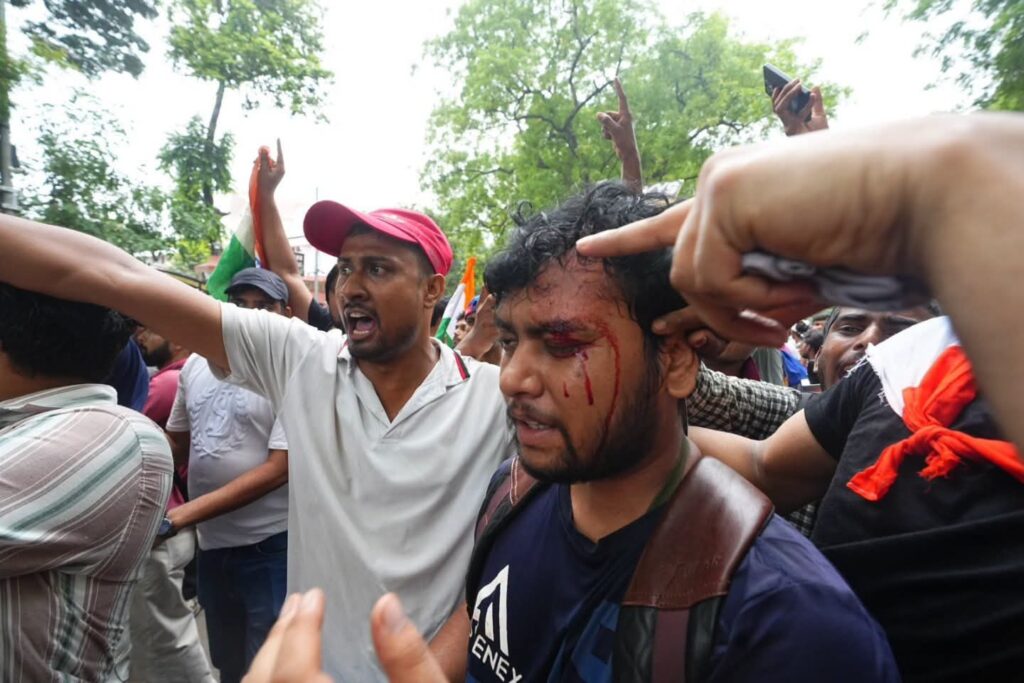
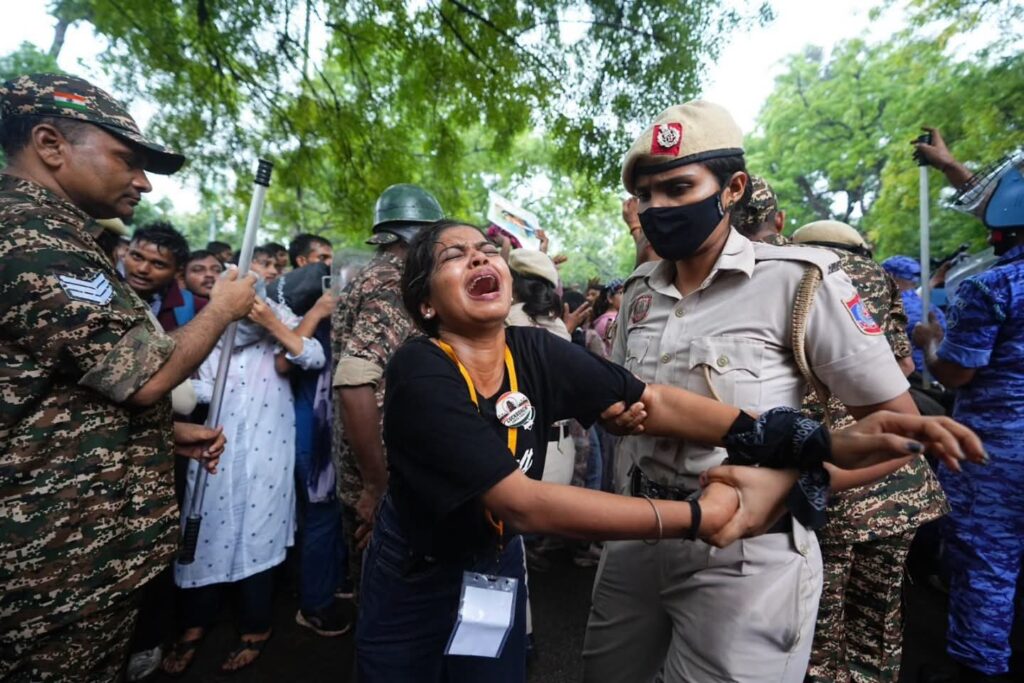


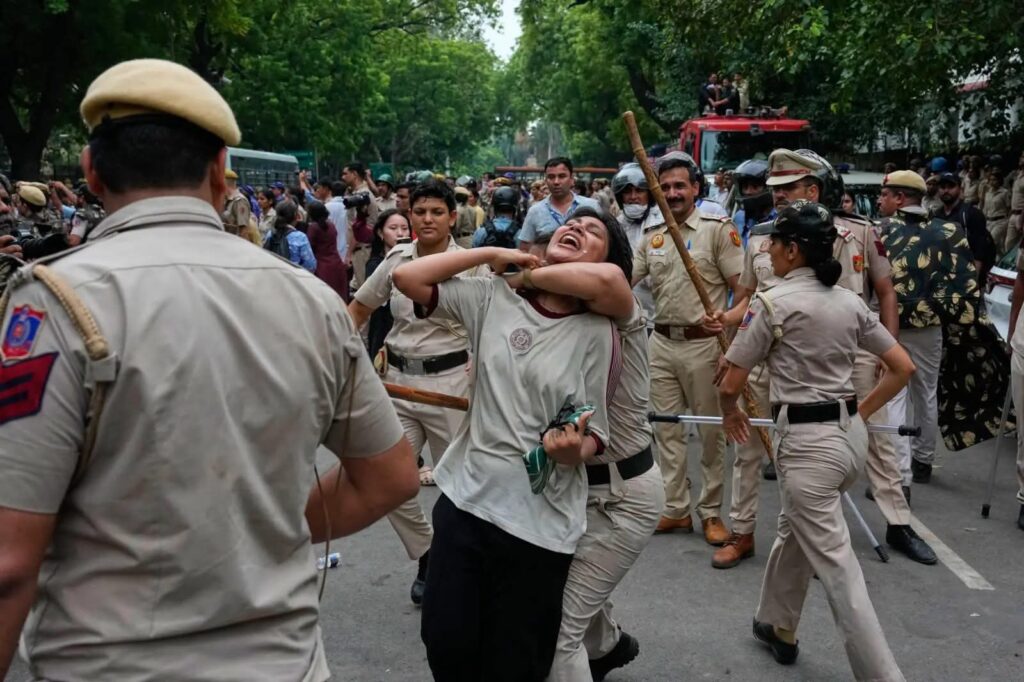
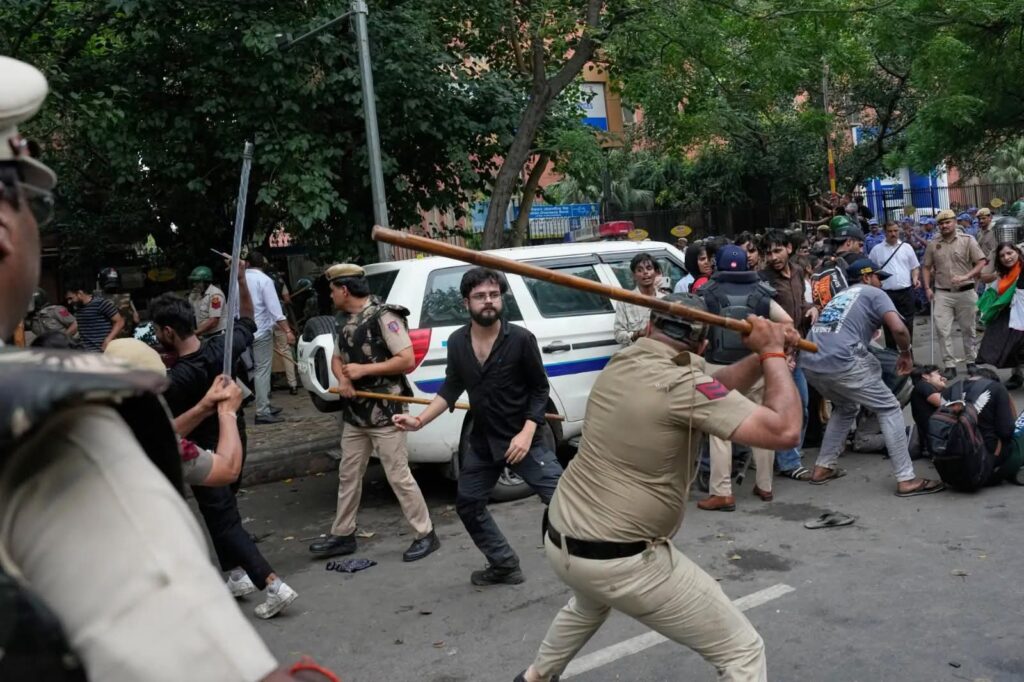
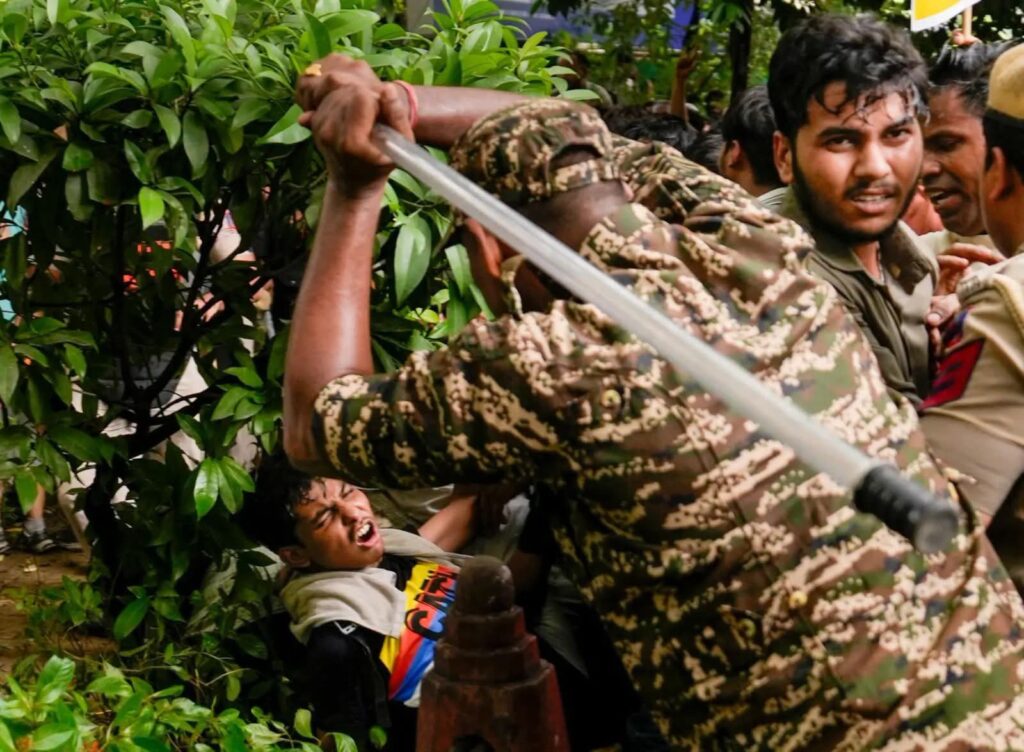
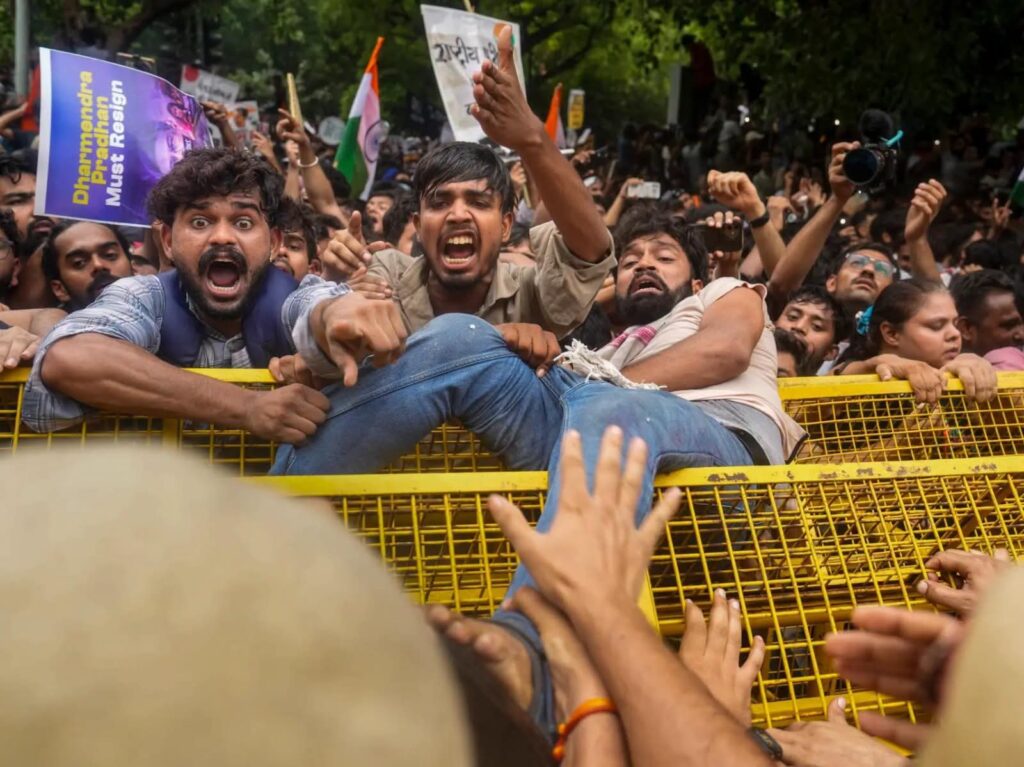


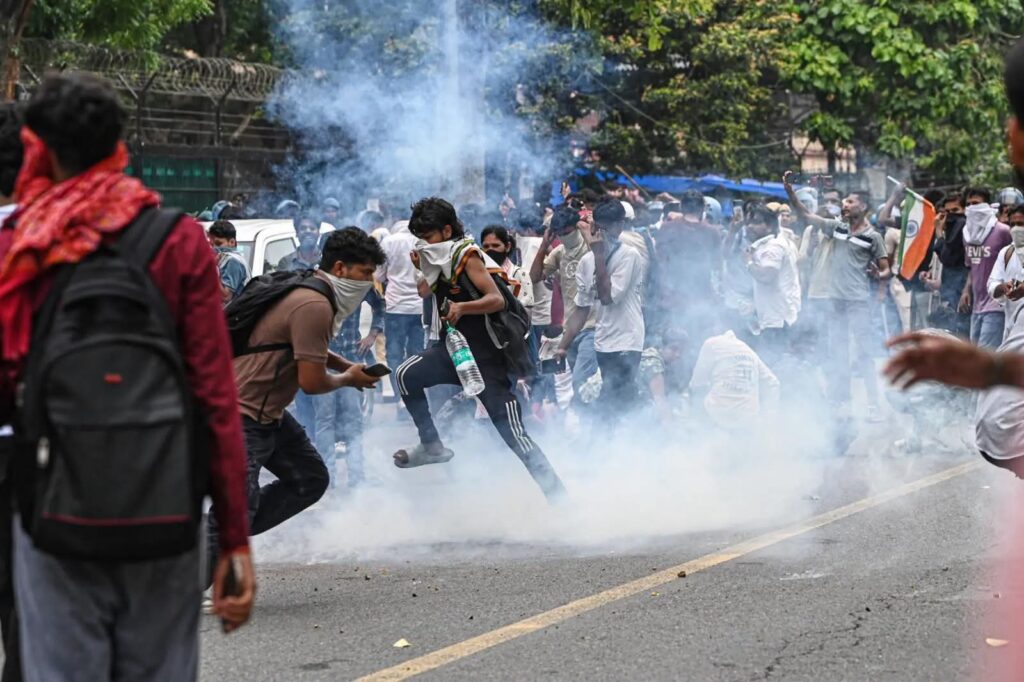
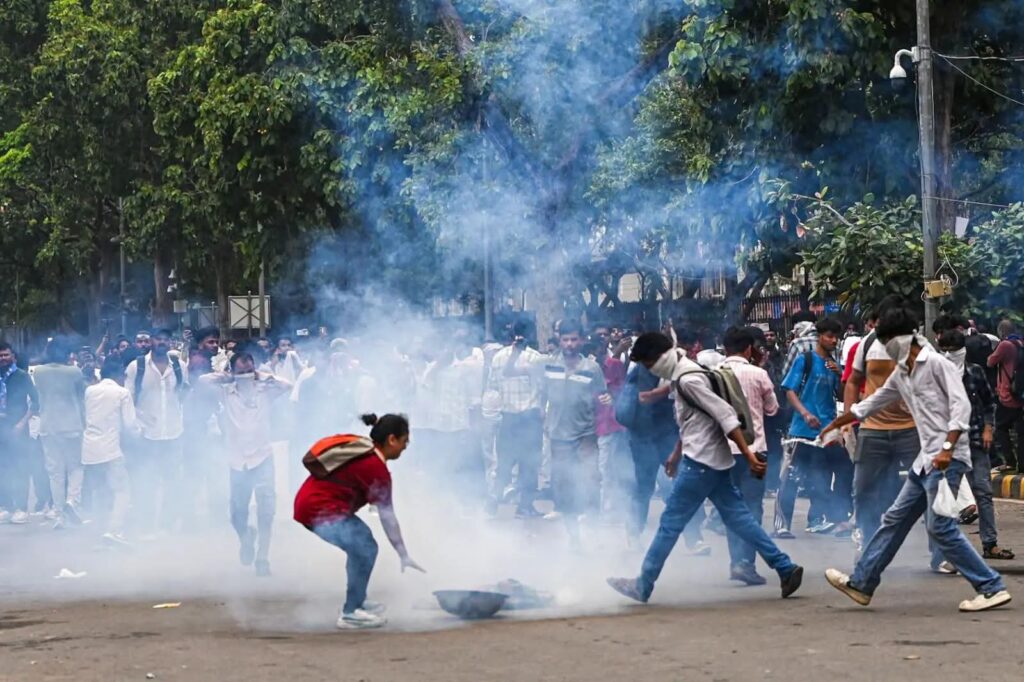
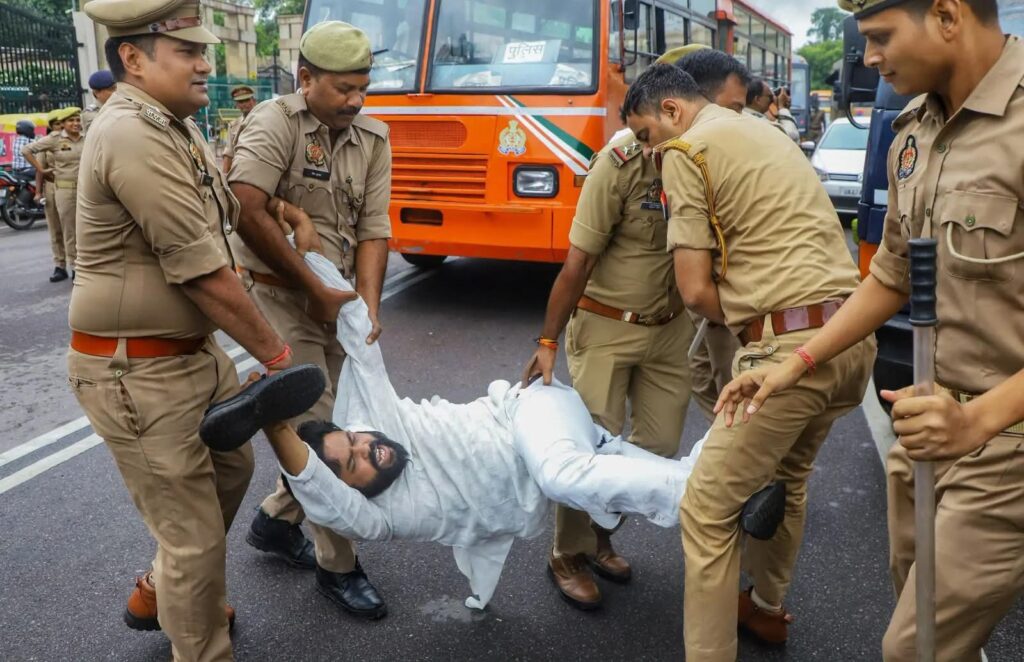
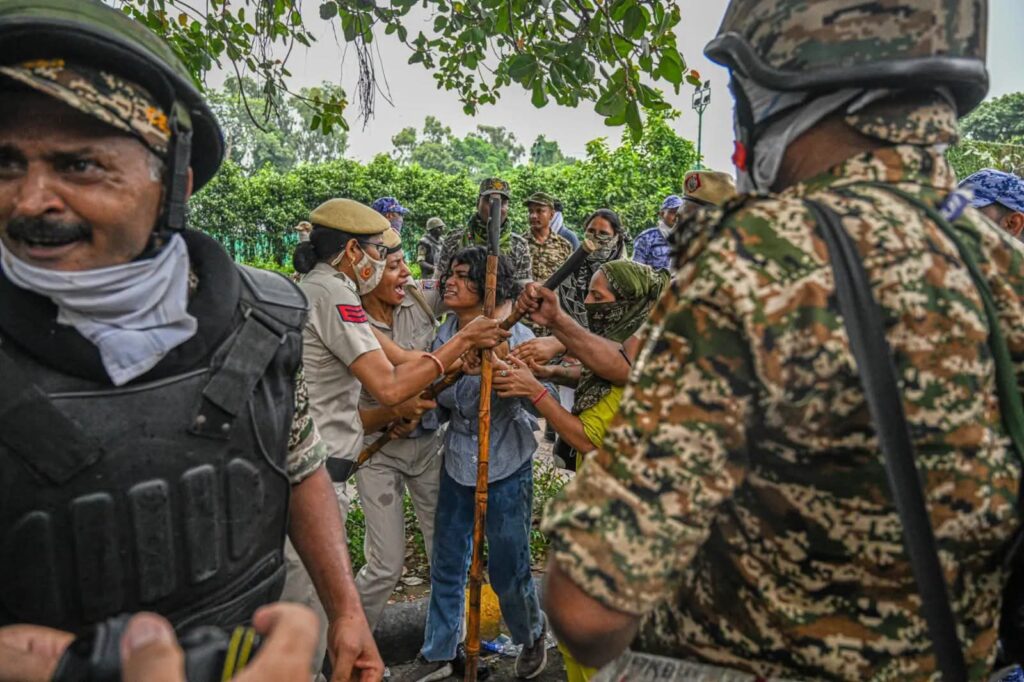
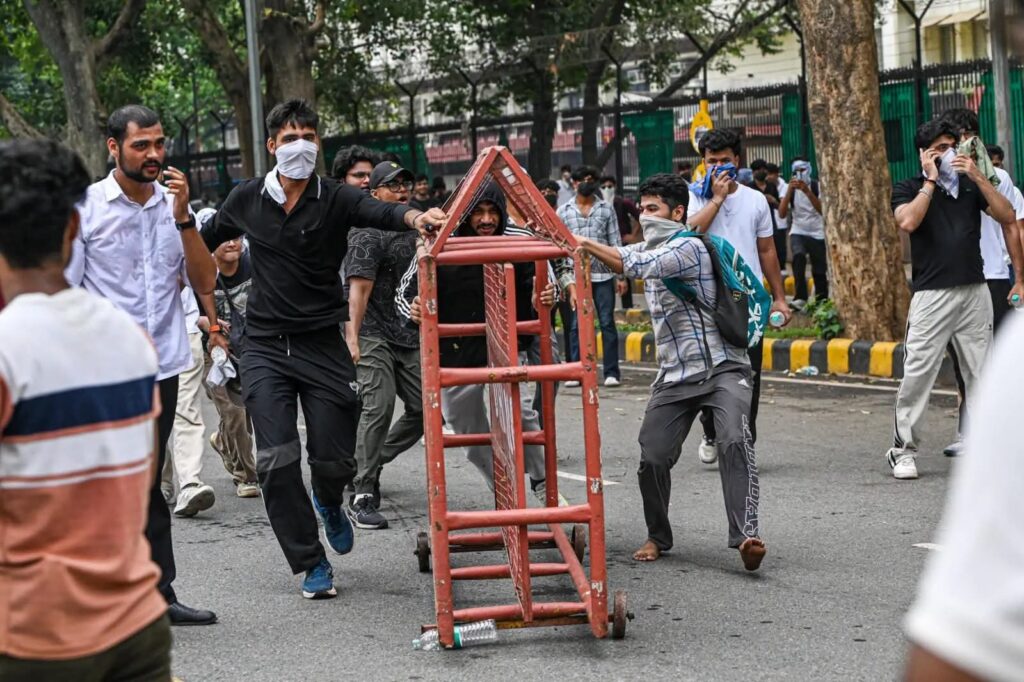
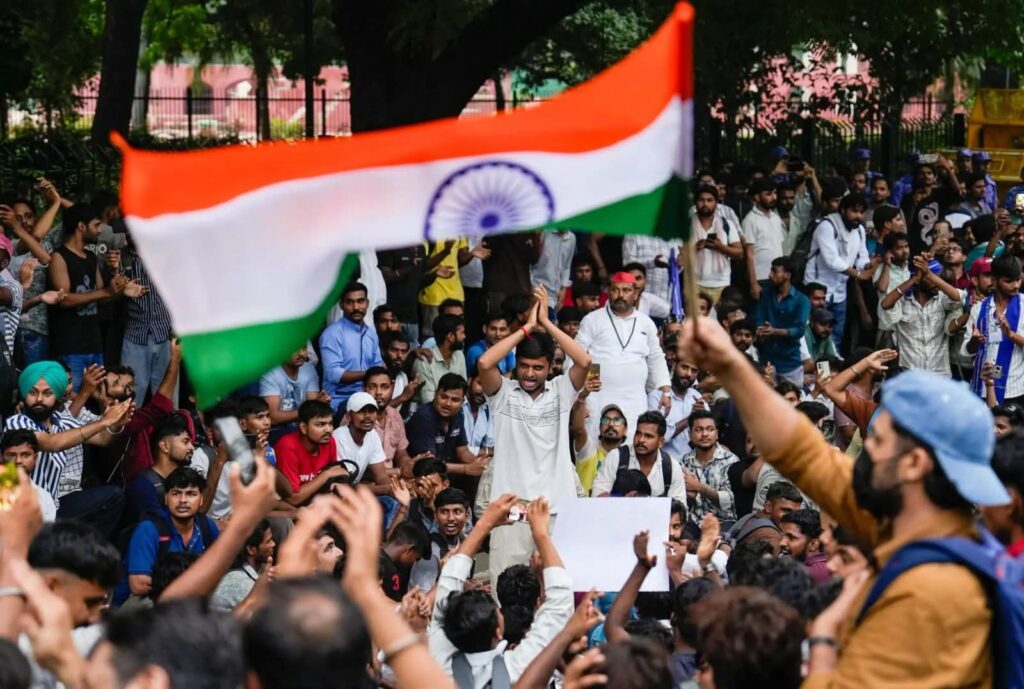
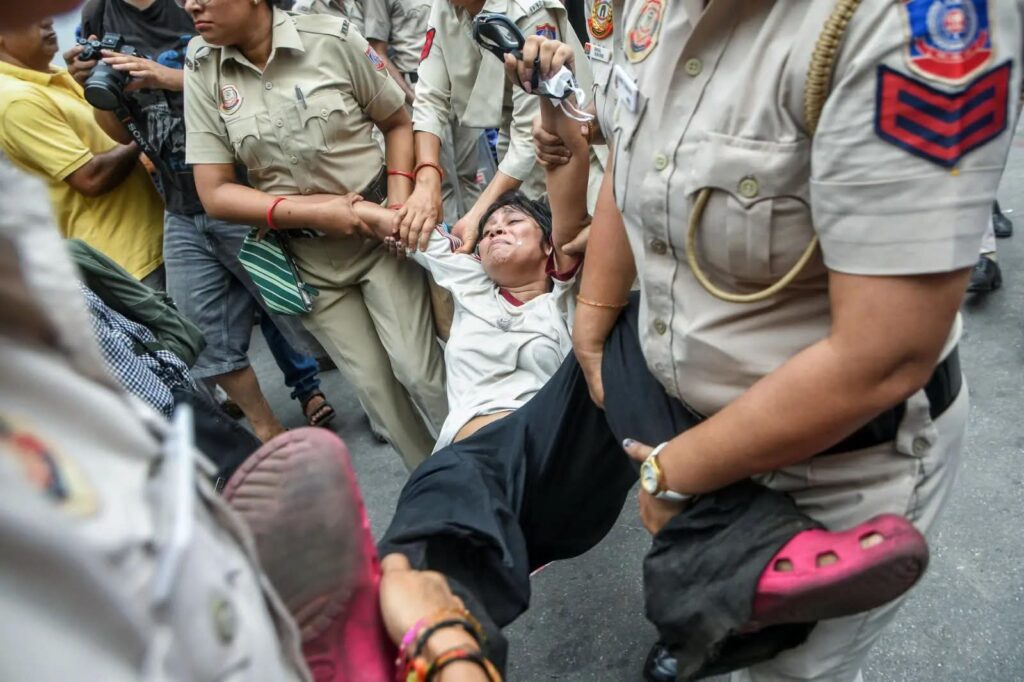
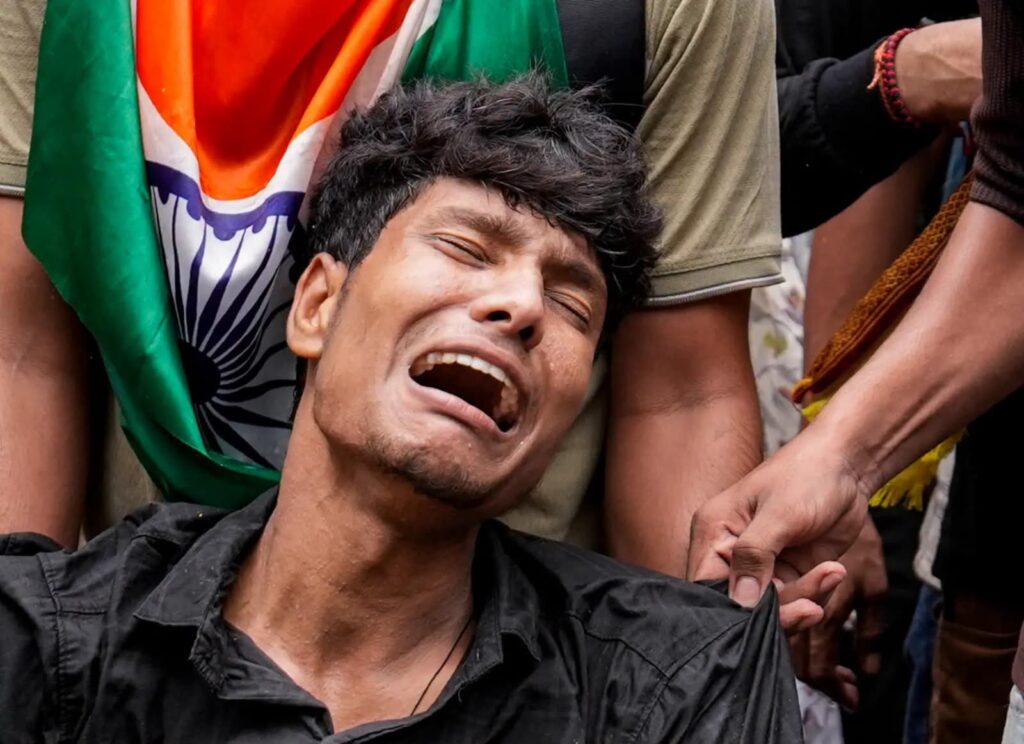
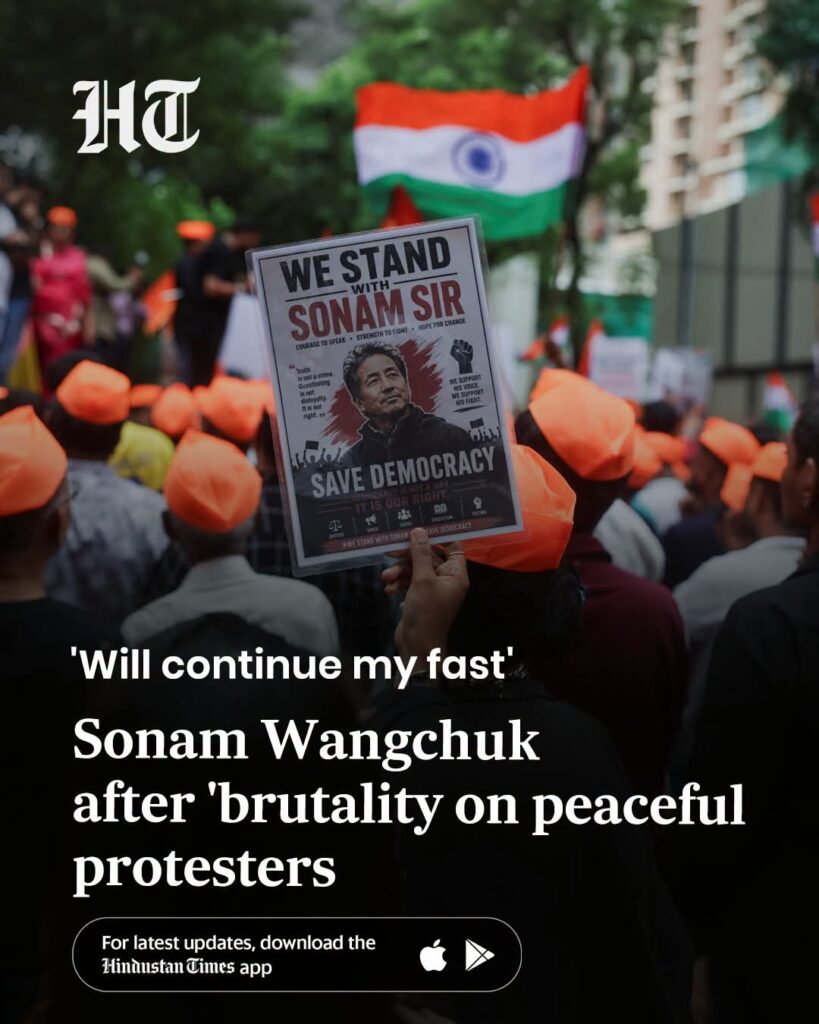


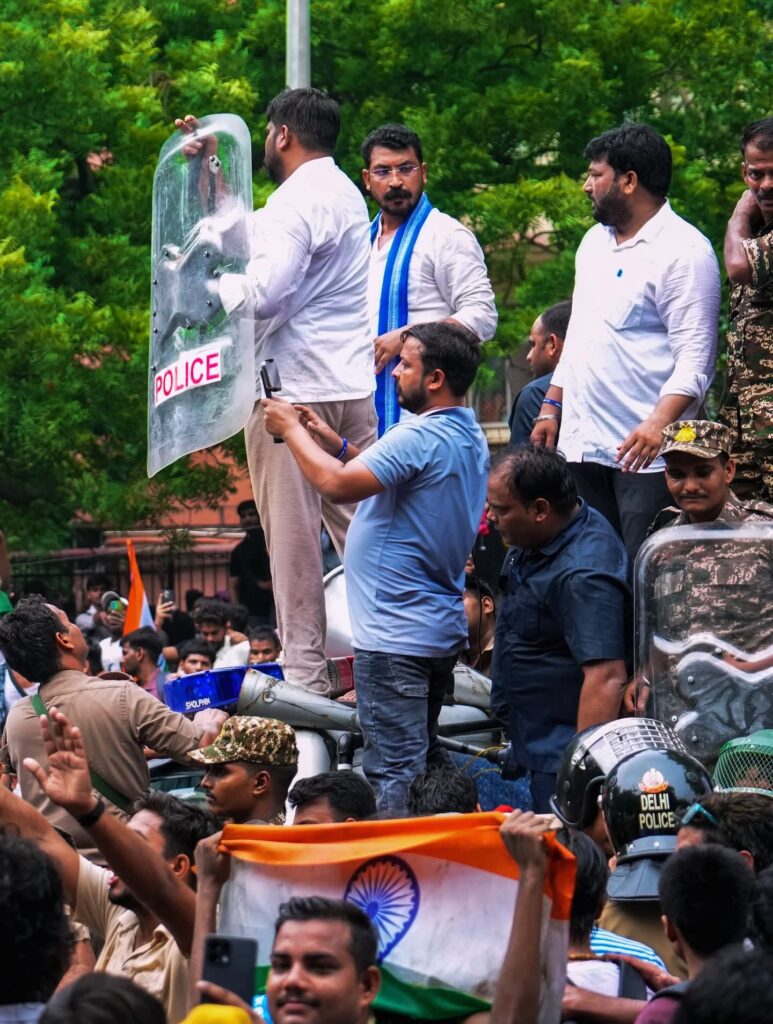
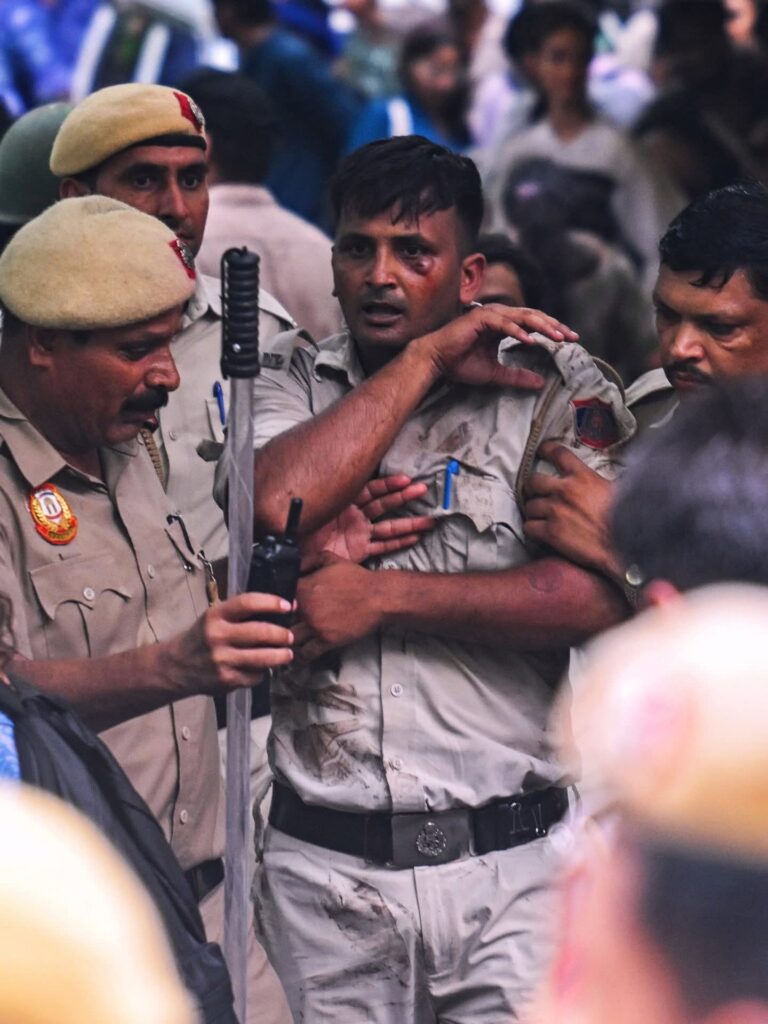
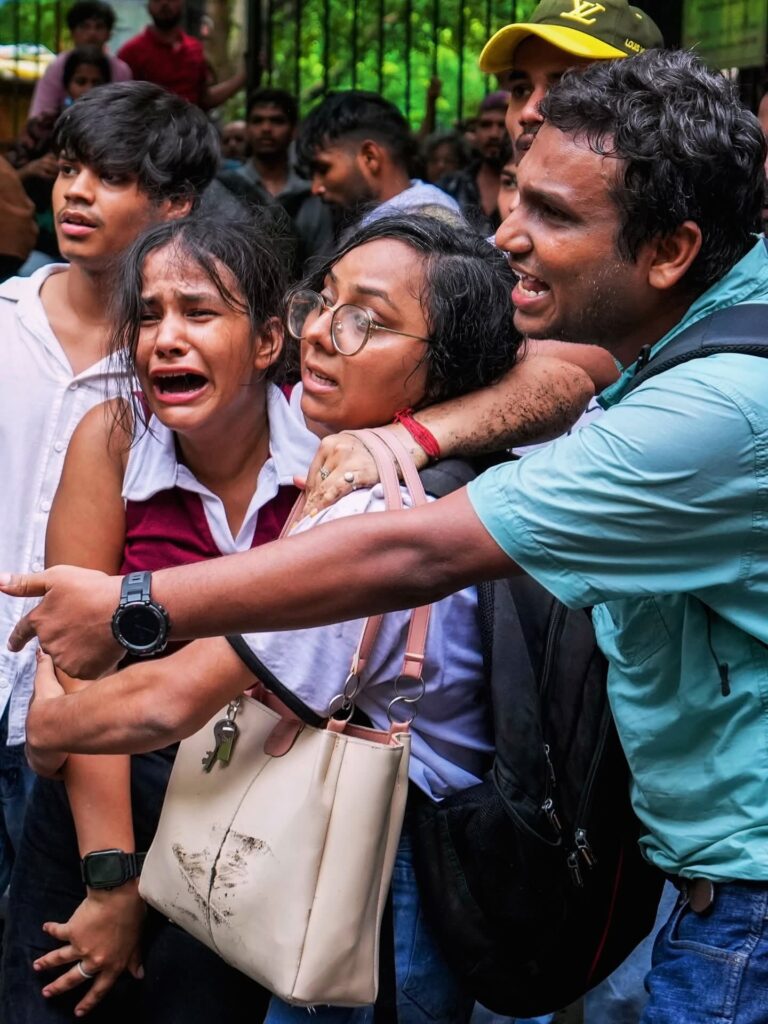




The CJP’s satirical branding — calling themselves “cockroaches” — is deliberate. It is the language of people who have been told they are pests for refusing to accept the status quo. The government and its defenders may dismiss the movement as disruptive or politically motivated. That is convenient. It is harder to dismiss the bodies of students who could not survive the pressure of a system that repeatedly fails them.
Police have a legitimate duty to maintain order around Parliament. But the speed with which peaceful assembly is converted into a security operation, the readiness to use force against young people carrying the Constitution and photographs of Ambedkar and Bhagat Singh, and the decision to keep a hunger-striking activist under medical confinement while talks remain superficial, reveal a deeper instinct: manage the optics, suppress the noise, and hope the next exam cycle arrives before the anger organises further.
Initial talks with Health Minister J.P. Nadda produced the usual bureaucratic language of “discussions at the appropriate level.” No commitment on Pradhan’s resignation. No clear timeline on accountability. No meaningful engagement with the core demand that the education system stop treating students as disposable.
A democracy that responds to youth despair with tear gas is not protecting institutions. It is protecting mediocrity and impunity. Paper leaks are not acts of God. They are the result of compromised systems, weak oversight, and political indifference. Student suicides linked to exam pressure are not personal tragedies alone; they are policy outcomes.
July 20 at Jantar Mantar was not the end of anything. It was a warning. The cockroaches are not going away. They have decided that dying quietly is no longer an option.
The question now is whether the political class will finally treat the education crisis as the national emergency it has become, or whether it will continue to prefer the temporary silence that follows a successful lathi charge.
The streets have already given their answer.